
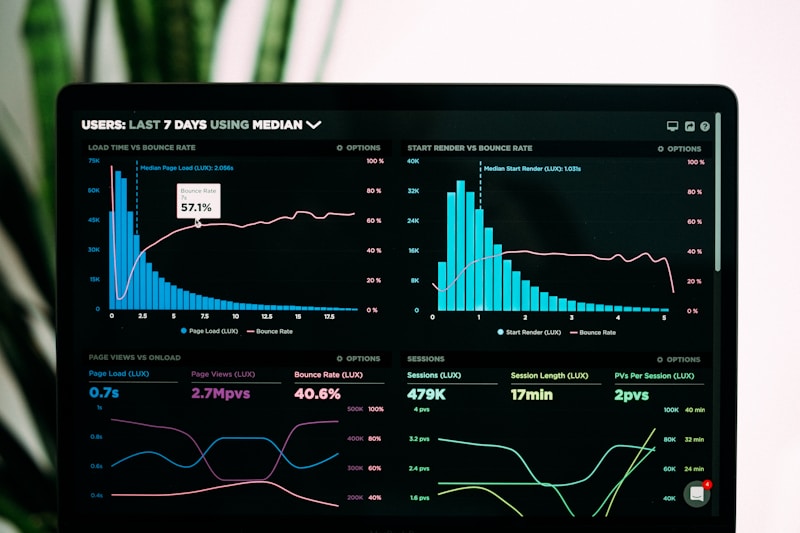
Accounting automation is transforming the way businesses manage their finances. Tasks that once took hours such as data entry, reconciliations, and report generation can now be completed in minutes using automated accounting systems. For many businesses, this shift feels like a major breakthrough.
But an important question remains. Can accounting be fully automated, or is there still a critical role for human accountants?
At Project Accountants, we work closely with businesses navigating this shift. Our experience shows that while accounting automation delivers efficiency and accuracy, it is most effective when combined with professional human oversight.
What Accounting Automation Does Well
Modern accounting software and financial automation tools are highly effective at handling structured, repeatable tasks. These include:
- Automated bank reconciliations
- Transaction categorisation
- Payroll processing
- Invoice generation and tracking
- Real-time financial reporting
By reducing manual input, accounting automation significantly lowers the risk of human error and frees up valuable time for business owners and finance teams. Automated accounting systems also improve consistency, ensuring financial data is processed the same way every time.
This level of efficiency is why accounting automation is now a core part of accounting technology trends across industries.
The Limits of Automated Accounting Systems
Despite its advantages, automation has clear limitations.
Accounting is not just about processing numbers. It requires interpretation, judgment, and context. Automated systems cannot fully assess:
- Whether transactions are correctly classified for tax purposes
- How financial data should be interpreted for strategic decisions
- Complex accounting compliance requirements
- Unusual or one-off transactions that fall outside predefined rules
For example, accounting software may flag discrepancies, but it cannot always determine why they exist or how they should be resolved. This is where human oversight in accounting becomes essential.
Accounting Automation vs Human Accountants
The debate around accounting automation vs human accountants often misses a key point. This is not a choice between one or the other.
Human accountants provide value in areas automation cannot replace, including:
- Interpreting financial data to identify risks and opportunities
- Advising on tax efficiency and compliance
- Applying professional judgment to complex financial scenarios
- Adapting to regulatory changes and business-specific challenges
Accounting compliance, in particular, requires careful review. Regulations evolve, and businesses face penalties if systems are not configured or reviewed correctly. Human accountants ensure automated processes remain compliant, accurate, and aligned with current standards.
The Cost and Complexity of Full Automation
While financial automation is often marketed as a complete solution, the reality is more nuanced.
Implementing and maintaining accounting software involves costs such as:
- Software licensing and upgrades
- Integration with existing systems
- Ongoing configuration and monitoring
- Staff training and support
Without expert guidance, businesses risk relying too heavily on systems they do not fully understand. This can lead to errors going unnoticed or compliance issues emerging over time.
The Future of Accounting Automation
The future of accounting automation is not about replacing accountants. It is about redefining their role.
As accounting technology trends continue to evolve, automation will handle more transactional work. Human accountants will focus increasingly on advisory, compliance, and strategic support. Businesses that adopt this balanced approach gain both efficiency and insight.
At Project Accountants, we help clients implement accounting automation in a way that supports growth, not risk. We ensure automated accounting systems are set up correctly, monitored consistently, and supported by experienced professionals who understand the bigger picture.
A Smarter Approach to Accounting Automation
Accounting automation works best when combined with expert human oversight. Technology streamlines processes and reduces errors, while accountants provide clarity, judgment, and strategic direction.
If you are considering accounting automation or want to ensure your current systems are working effectively and compliantly, our team can help you find the right balance. Speak with Project Accountants to optimise your accounting processes and make informed financial decisions with confidence.
Accounting Automation FAQs:
What is accounting automation?
Accounting automation is the use of accounting software to automatically handle everyday financial tasks such as recording transactions, reconciling bank accounts, creating invoices, and generating reports. It helps businesses save time and reduce errors.
Can accounting be fully automated?
No, accounting cannot be fully automated. Automated accounting systems manage routine tasks, but human oversight in accounting is still required for compliance, accuracy, and financial decision-making.
How does accounting automation help small businesses?
Accounting automation helps small businesses by reducing manual work, improving accuracy, and giving real-time visibility into their finances. It allows business owners to focus more on growth instead of day-to-day bookkeeping.
What is the difference between accounting automation and an accountant?
The difference between accounting automation and an accountant is that software processes data, while human accountants interpret the numbers, ensure accounting compliance, and provide tailored financial advice.
Will accounting automation replace accountants?
No, accounting automation will not replace accountants. Instead, it supports them by handling repetitive tasks so they can focus on strategic advice, compliance, and business planning.
Is accounting software enough to stay compliant?
Accounting software helps with compliance, but it is not enough on its own. Accounting compliance requires regular review, professional judgment, and updates to ensure financial records meet current regulations.
What does the future of accounting automation look like?
The future of accounting automation involves smarter technology working alongside experienced accountants. As accounting technology trends continue to evolve, businesses will benefit most from combining financial automation with expert human insight.
Do I still need an accountant if I use accounting software?
Yes, even with accounting software, an accountant is still needed. Human oversight ensures automated systems are set up correctly, monitored properly, and aligned with tax and regulatory requirements.